
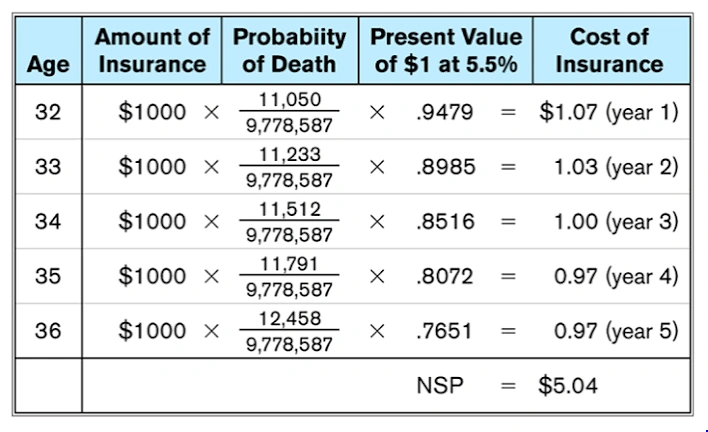
Here’s the uncomfortable math most agents won’t show you upfront: a 20-year, $1 million term policy that costs a healthy 35-year-old roughly $40–$60 a month can jump to $100–$150 a month if you wait until 45 to apply. Same coverage, same term length, a decade of wear and tear on your body’s actuarial scorecard. That’s the cost of waiting, and it compounds fast.
How Underwriting Judges You
Insurers sort you into risk classes—Preferred Plus, Preferred, Standard, and sometimes substandard tables—based on a medical exam, bloodwork, and a prescription history check. The exam itself is simple: a paramedical professional comes to your home or office, checks your blood pressure, draws blood, and asks about your family history. What trips people up isn’t the needle. It’s the quiet stuff that crept in during their late 30s: borderline high cholesterol, a sleep apnea diagnosis, an SSRI prescription, or a parent’s cancer showing up before age 60. A single well-managed condition can bump you from the cheapest tier to the middle one, adding 20–30% to your premium. Two conditions, and you’re looking at a Standard rating that costs 50–70% more than the best rate class.
The Lock-In Strategy No One Talks About
You don’t need the perfect policy today. You need a policy in force while your insurability is still clean. A $500,000, 20-year term policy locks in your health rating now. If you later decide you want permanent coverage or a longer term, most quality term contracts include a conversion rider that lets you switch to a permanent policy without a new medical exam. That rider is your escape hatch against future uninsurability—a cancer diagnosis at 42, a heart arrhythmia at 48—and it costs nothing extra in most level-term policies. You’re buying optionality, not a death benefit.
Procrastination is the only variable here that guarantees a worse outcome. The blood pressure reading you’re worried about today will not improve with another year of stress and sleepless nights. Lock in the rating you qualify for now, then optimize later.
Red Flags That Signal You’re Being Sold, Not Advised
Most people don’t walk into an agent’s office worried about the policy structure—they walk in worried about the people who depend on them. A good advisor knows this. A salesperson exploits it. Here’s how to spot the difference before you sign anything.
The term life dismissal. If an agent waves off term life as “throwing money away” without first asking about your kids’ ages, your mortgage balance, or how many years of income your household would need to replace, you’re not getting advice—you’re getting a script. Term coverage is the mathematically correct tool for most families in their 30s and 40s precisely because the need is temporary: get the youngest kid through college, burn the mortgage, done. Permanent policies have their place, but an advisor who can’t articulate your specific reason for needing one isn’t advising.
The illustration fog. You should not need a finance degree to understand what you’re buying. Overcomplicated policy illustrations with dozens of columns, hypothetical crediting rates, and footnote-laden projections are often designed to confuse you into submission. If you can’t explain the policy back to the agent in two sentences after their pitch, that’s not a you problem.
The urgency play. “Rates are going up next month” or “this offer expires Friday” is a closing tactic, not a market update. Premiums are actuarially priced based on your age and health—they don’t swing like airline tickets. Walk away from anyone manufacturing a deadline.
What good advice feels like. A fiduciary-level conversation starts with your debts, your dependents, and your income—then works backward to a coverage number and duration. The agent asks more questions than they answer. They show you term and permanent options side by side with clear costs, and they’re comfortable with you taking a week to think. According to the FTC, high-pressure sales tactics remain one of the most common complaints in insurance-related consumer reports. Pressure is a signal. So is clarity.